ByJohn A
What Is the Difference Between Centralized and Decentralized Exchanges?
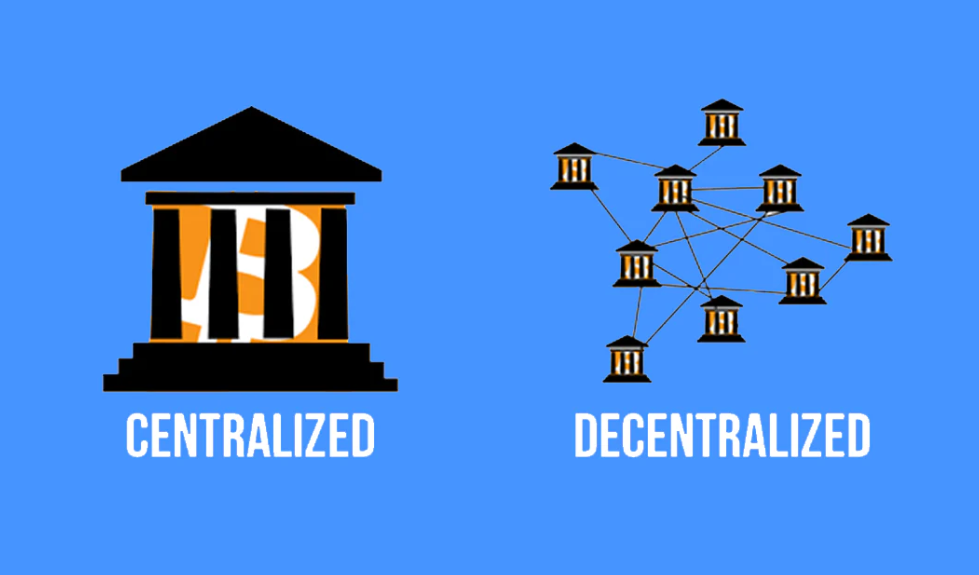
Centralized exchanges custody user funds and control order execution through a trusted intermediary, delivering fast trades and polished interfaces. Decentralized exchanges rely on open smart contracts and on-chain settlement, removing custody and enabling open governance. The trade-off is between speed and control: CEXes offer convenience but introduce custodial risk, while DEXes offer autonomy and transparency but can incur higher friction. The choice hinges on risk tolerance and liquidity needs, leaving the next decision point open for closer examination.
Custody and Governance: CEX vs DEX Fundamentals
Centralized exchanges (CEX) and decentralized exchanges (DEX) differ fundamentally in custody and governance structures.
In CEXs, user assets reside with a trusted custodian, introducing custodial risk and centralized governance mechanics.
DEXs eschew centralized custody, relying on smart contracts and open governance.
This contrast shapes risk profiles, accountability, and resilience, guiding freedom-seeking participants toward preferred control over funds and rules.
See also: What Is Staking in Cryptocurrency?
Fees, Speed, and Accessibility: How They Differ
Fees, speed, and accessibility differentiate centralized and decentralized exchanges by operational design and user experience.
Centralized venues typically impose withdrawal fees and offer higher trading speed through optimized servers, while custodial risk remains.
Decentralized platforms reduce counterparty risk and increase control but often incur slower trading speed due to on-chain settlement and congestion.
Accessibility varies by onboarding friction and permission models.
Choosing for Your Goals: A Simple Decision Framework
To determine the appropriate exchange type, readers should map their goals to core criteria such as risk tolerance, liquidity needs, and time horizons, then align those criteria with the operational design of centralized versus decentralized platforms.
The framework emphasizes user focused security, liquidity dynamics, regulatory considerations, and cross chain compatibility to guide choice while preserving autonomy and freedom in trading objectives.
Test and Transition Safely: Practical Steps and Checklists
As readers move from evaluating exchange structures to applying them, practical steps and checklists become the core tools for safe engagement.
The guide outlines concrete testing phases, security verifications, and transition plans that minimize oversight gaps.
Key considerations include compliance risks, thorough user onboarding, disaster recovery drills, and clear rollback procedures to preserve autonomy while ensuring accountability and lawful operation.
Conclusion
Centralized exchanges offer rapid trades and polished interfaces by custodial control, while decentralized exchanges enable non-custodial, on-chain settlement with open governance. The trade-off is speed and convenience versus autonomy and transparency. Some may worry about custodial risk on CEXs; the counterpoint is that regulated, insured platforms can mitigate this. For those prioritizing control and resilience, DEXs win; for users seeking ease and liquidity, CEXs prevail. A balanced approach—hybrid or diversified—often best aligns with varied goals.